ISA International Sign Expo is the can’t-miss industry event of the year! ISA International Sign Expo is the only place to find everything you need to be successful in the sign and graphics industry — including wide format printing, digital signage, new ideas for printing on substrates, … [Read more...]
Zumar Industries Selects Jobscope Manufacturing Software

Zumar – The Company Behind the Sign – has selected Jobscope Manufacturing Software as its Sign Business Software solution. Zumar has locations in Arizona, California and Washington and has been manufacturing high-quality sign supplies and traffic safety products since 1947. To learn more about … [Read more...]
FEHRS Overhead Cranes Selects Jobscope Manufacturing Software
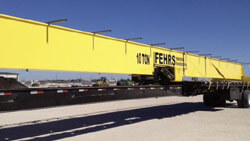
FEHRS Industrial Manufacturing has selected Jobscope Manufacturing Software to manage its overhead crane manufacturing , trailer manufacturing, and industrial component manufacturing operations. Located in Seminole Texas. FEHRS has been manufacturing overhead cranes, trailers, and industrial … [Read more...]
Fairmont Sign Company selects Jobscope Manufacturing Software
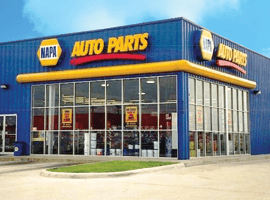
Fairmont Sign Company has selected Jobscope Manufacturing Software as its Sign Business Software solution. With locations in Detroit Michigan and Lodi California, Fairmont Sign Company services customers across the entire United States. To learn more about Jobscope sign company software … [Read more...]
The One Big Secret for Manufacturing Software Implementation Success

If you are involved in the ERP manufacturing software world, then at some point or another you have either heard of or experienced a horrible ERP system implementation. The reasons for implementation failures are numerous, ranging from poor planning, bad research, lousy support, software that … [Read more...]
- 1
- 2
- 3
- …
- 8
- Next Page »